Dog grooming plays a key role in maintaining health, comfort, and coat condition. Many owners ask how often grooming should take place, especially when managing different breeds or coat types. Delta’s Dog Room supports owners in Battle with clear guidance, helping establish grooming routines that suit each dog’s needs.
How Coat Type Affects Grooming Frequency
Different coat types require different grooming schedules. Understanding coat type helps determine how often grooming should take place.
Short-coated dogs often need grooming every 6 to 8 weeks. These dogs shed regularly, so brushing helps manage loose hair and maintain coat condition.
Medium-coated dogs require grooming every 4 to 6 weeks. Their coats can tangle if left unmanaged, so regular brushing and trimming help maintain shape and hygiene.
Long-coated breeds often need grooming every 4 weeks or sooner. Without regular care, these coats can become matted quickly. Frequent brushing at home supports professional grooming.
Wire-coated breeds require specialised grooming such as hand stripping. This process helps maintain coat texture and supports natural protection.
Each coat type benefits from a structured routine, helping maintain consistent results and avoid avoidable problems.
How Often Should Puppies Be Groomed?
Puppy grooming should begin early to build familiarity with the process. Initial sessions focus on introducing the dog to handling, equipment, and the grooming environment.
Puppies benefit from grooming every 4 to 6 weeks. These sessions are shorter and focus on essential tasks such as brushing, bathing, and nail trimming.
Early exposure reduces stress during future appointments. Dogs that start grooming at a young age often remain more relaxed and cooperative.
Regular puppy grooming also helps owners establish a routine. This supports long-term coat care and ensures grooming becomes part of normal care.
How Lifestyle and Activity Levels Influence Grooming Needs
A dog’s lifestyle plays a significant role in grooming frequency. Dogs that spend time outdoors or in muddy environments may require more frequent grooming.
Active dogs often pick up dirt, debris, and moisture in their coats. This increases the risk of matting and skin issues if not managed properly. More frequent baths and brushing help maintain cleanliness and comfort.
Dogs that live indoors or have lower activity levels may require less frequent full grooming. Even so, regular maintenance such as brushing and nail trimming remains important.
Seasonal changes also affect grooming needs. Shedding increases during certain times of year, requiring more frequent brushing and coat maintenance.
Signs Your Dog Needs Grooming Sooner
Some signs indicate grooming should take place sooner than scheduled. Matted fur is one of the most common signs. Mats can pull on the skin and cause discomfort.
A dull or greasy coat may suggest a build-up of dirt or oils. This often requires a bath and brush to restore condition.
Unpleasant odours can develop when coats are not cleaned regularly. This can also indicate underlying skin issues.
Overgrown nails can affect movement and posture. Regular trimming helps maintain comfort and prevents injury.
Changes in behaviour, such as scratching or restlessness, can also signal discomfort linked to coat condition.
Home Grooming vs Professional Dog Grooming
Home grooming plays an important role in maintaining coat condition between appointments. Regular brushing helps remove loose hair and prevent tangles.
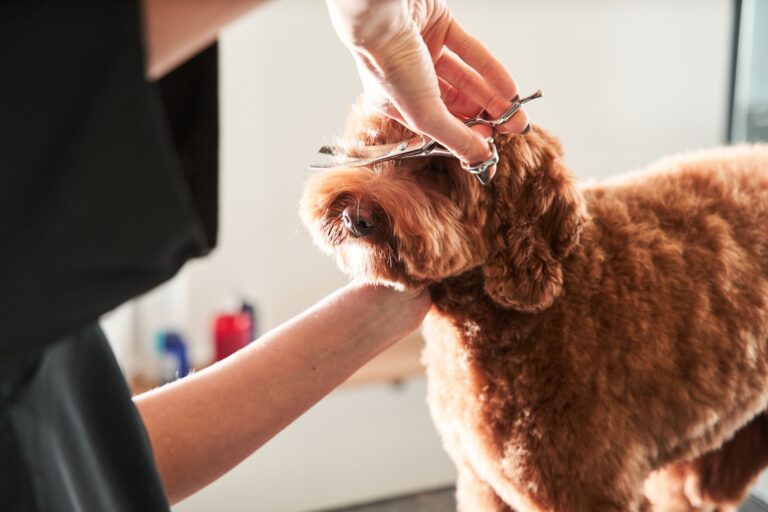
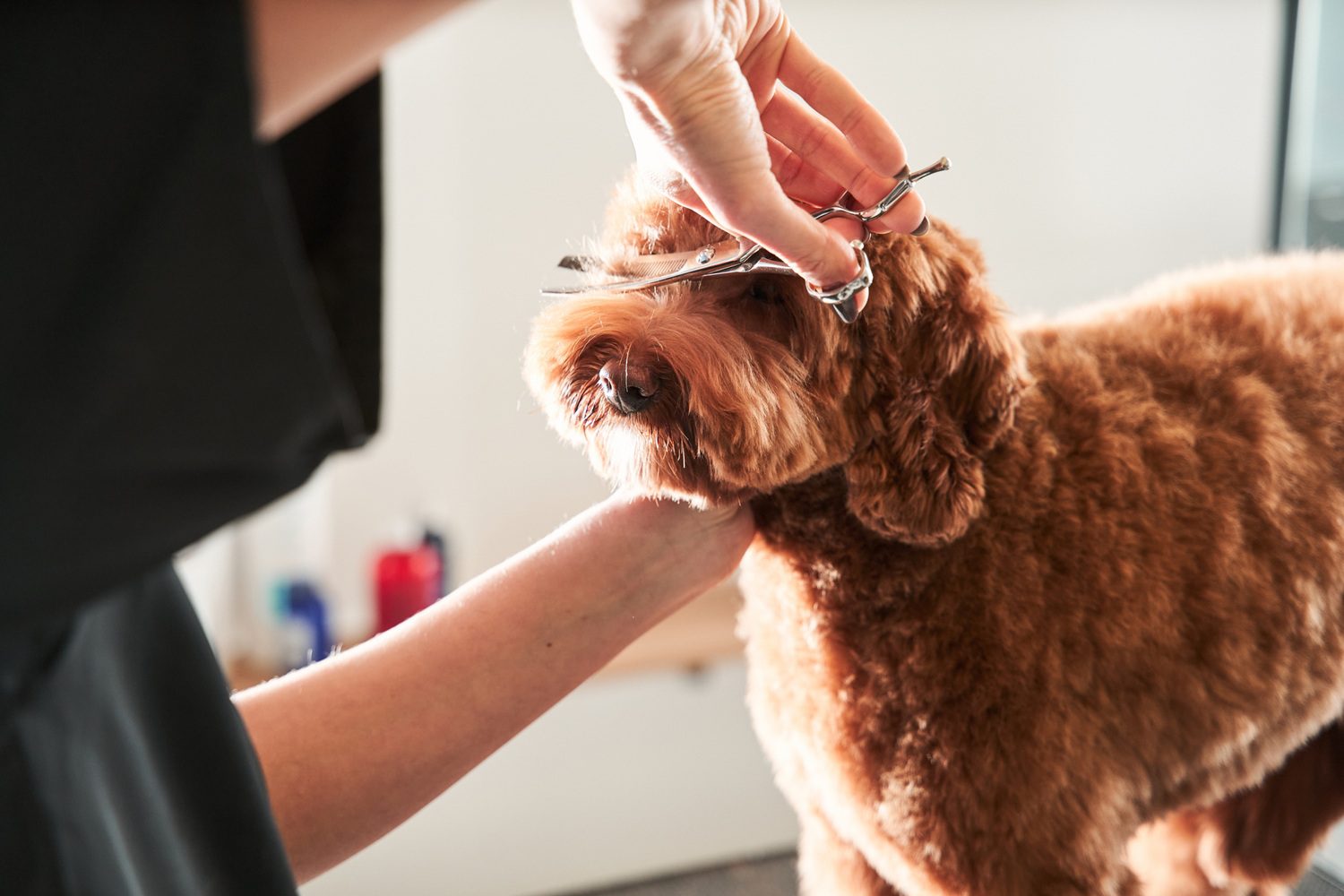
Professional dog grooming provides a higher level of care. Trained groomers use specialist tools and techniques suited to different coat types. This ensures safe and consistent results.
Incorrect grooming techniques can damage the coat or cause discomfort. Professional grooming reduces this risk and supports better long-term coat health.
A balanced approach works best. Home maintenance combined with regular professional grooming creates a consistent routine that supports both hygiene and comfort.
How to Build a Grooming Routine That Works
A clear grooming routine helps maintain consistency. Start by identifying coat type, lifestyle, and any specific needs.
Regular brushing at home supports coat health between appointments. This reduces matting and keeps the coat manageable.
Scheduling professional grooming every 4 to 8 weeks, depending on the dog, helps maintain shape and hygiene. Consistent appointments prevent build-up and reduce the need for corrective grooming.
Tracking changes in coat condition helps adjust the routine over time. This ensures the grooming schedule continues to meet the dog’s needs.
Get in Touch with Delta’s Dog Room for Dog Grooming in Battle Today
Book dog grooming in Battle with Delta’s Dog Room and keep your dog clean, comfortable, and well maintained with a routine that suits its needs.